2025: What a year.
Amid layoffs, economic uncertainty, and the accelerating rise of AI, it’s been a year the workforce won’t forget.
And at GPS, we felt that pace too.
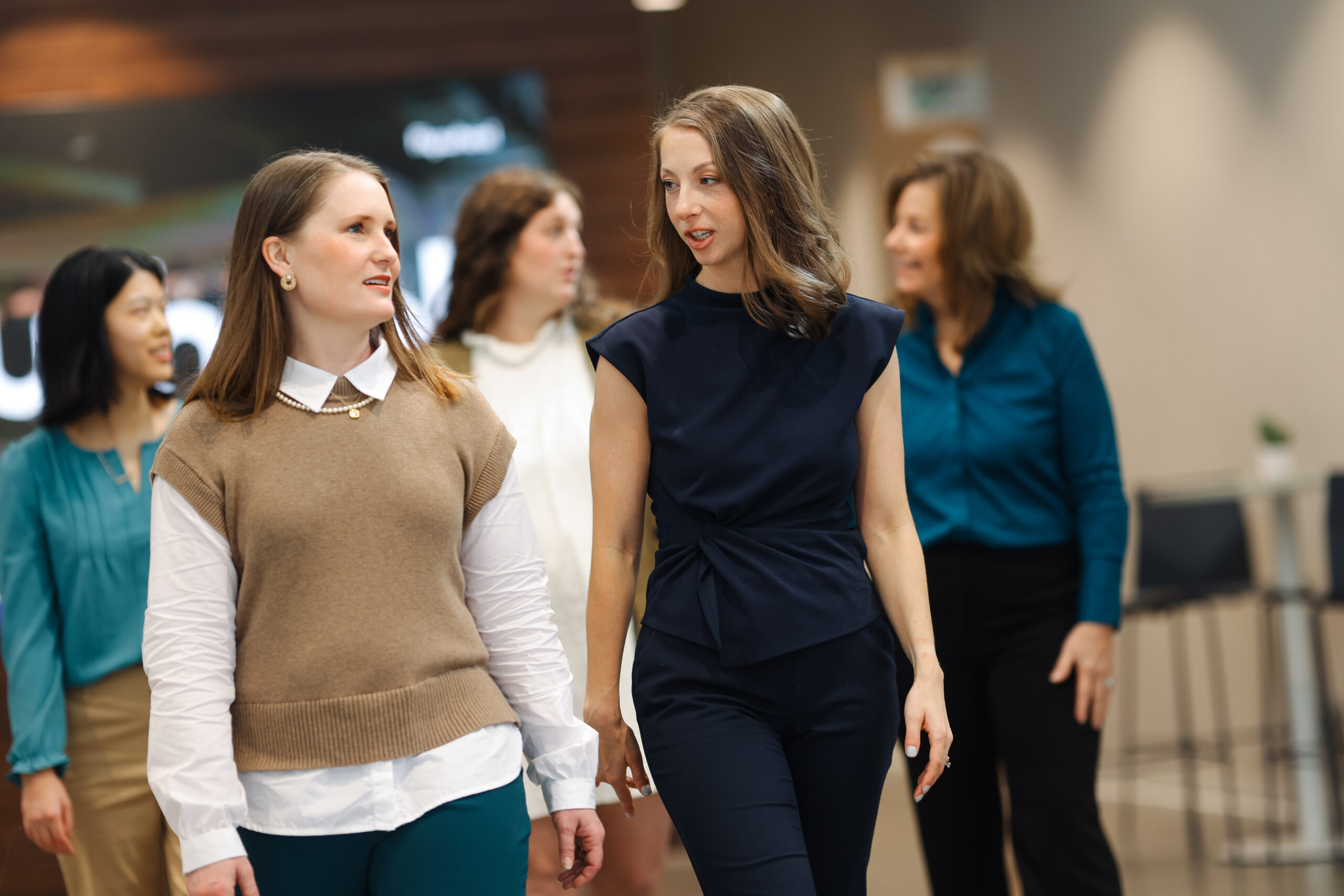
This year brought big shifts for our team – not just professionally, but personally – and it’s worth naming because it shaped how we showed up for you.
If you need a refresher, we rebranded in March, officially transitioning from YoPro Know to Generational Performance Solutions to reflect our evolving priorities as a workforce solutions firm helping organizations navigate all generations in the workplace. The thoughtful responses over the past nine months have meant a lot to us – thank you for receiving that change so well after seven years.
We also had the opportunity to work with a few large global manufacturers, which expanded our perspective and pushed our content into new rooms and new conversations.
And I published my first book, The Generational Advantage, which has been one of the most meaningful extensions of this work, allowing more leaders to access the research and become confident “generational experts” in their own organizations.
On a personal note, our team had some bright spots worth celebrating:
- We welcomed Caroline to the team as a Furman intern this fall!
- Barkley and Tori both welcomed new family members.
- Jade and her family traveled to Ireland and lived out their family values of travel in full color.
- Christine continued building her art career, including a show at the Greenville Art Center.
- And I became a yoga teacher, which has been a surprising gift in a year that moved fast.
Okay, enough about us.
If you’ve felt like the rules of work kept shifting mid-game this year, you weren’t imagining it. Many leaders and teams spent this year trying to manage change while also staying productive, protecting culture, and driving workforce optimization across multiple generations – with different expectations, communication styles, and definitions of trust.
That tension shaped so much of what we heard from you in 2025.
And as you look toward 2026, the question isn’t just “What’s changing?” It really should be: Do our systems match the people we’re leading now?
Over the past year, we’ve spoken with more than 5,000 of you across industries and across North America. Here are the patterns that surfaced most clearly – and serve as signals worth watching as you plan for the year ahead:
- Ageism is rising in both directions. Organizations will need clearer, more visible standards for fairness, growth, and opportunity across career stages. We heard growing discomfort from audiences and clients this year – both from people feeling overlooked too early and from those feeling pushed aside too soon.
- Professional development is shifting from a perk to a stabilizer. It’s quickly becoming a must-have for organizations looking to keep their people in 2026. Teams are looking for structured pathways that reduce uncertainty, improve retention, and strengthen performance. Check out our recent blog post on this topic here.
- Many workplace systems are showing strain. The breakdown from constant change (with generations + beyond) isn’t always personal; it’s structural: unclear expectations, inconsistent accountability, and outdated communication norms. We dig deeper into this with data you won’t want to miss in January’s report!
- Generational stereotypes are losing power in some spaces – and still shaping decisions in others. There are leaders today that think millennials are still the new kids on the block, while Gen Z is now entering their 8th year in the workforce! Leaders will need to operate with more nuance as experience, capability, and influence span wider age ranges than ever before.
- Cross-generational collaboration is rising, but leadership is the bottleneck. If we’ve seen anything this year, it’s that teams want alignment. They need leaders equipped to coach, clarify, and modernize norms without creating friction.
- Gen Alpha conversations will continue. This is a no-brainer for organizations looking to stay ahead of the generational curve in the new year and build smarter long-range talent strategies.
- Early-career pathways are evolving. As some entry-level opportunities tighten (partly tied to AI and role elimination) we may see more flattened structures and an even stronger emphasis on high-capability individual contributors. This will likely impact Gen Z entering the workforce and millennials that are at the middle-manager level.
- In-person training still matters. The demand for real-time connection, clarity, and shared language is still strong – especially when change feels constant.
If 2025 revealed anything, it’s this:
Most workplaces don’t have a “people problem.” They have a “systems keeping up with people” problem.
In other words, change is happening faster than organizations can adjust. The best way to meet the moment is to make sure your systems meet your people where they are.
The encouraging part is you’re already doing the hard work of noticing, naming, and rebuilding!
We’ve heard it in your questions. We’ve seen it in your leadership experiments. We’ve felt it in the momentum across industries and the significant increase in inquiries requesting our services this year.
And as generational shifts continue to influence culture, performance, and retention, you deserve frameworks that make the complexity feel easier to navigate – not overwhelming.
That’s the role we aim to play: a steady compass for the realities you’re managing in real time, and a practical partner as you build what comes next.
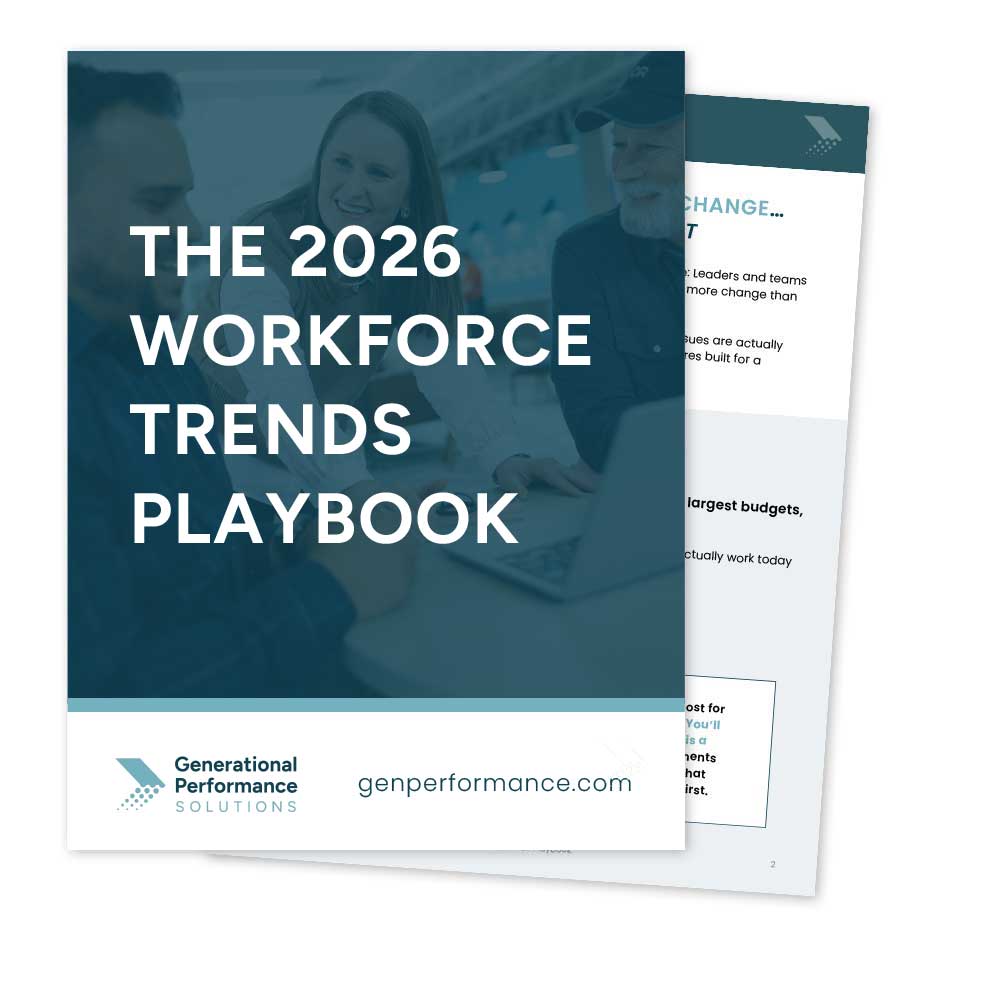
Our 2025 recap report is coming soon, with deeper insights on the trends and decisions shaping 2026. If you’re not already subscribed to our newsletter, join the list to receive it first.
On a personal note, thank you for continuing to believe in this work. Since 2017, this organization has been shaping conversations about generations in the workplace, and 8 years later, it’s only growing stronger. Our team looks forward to continuing to shape the future of workforce optimization with you in 2026. Happy Holidays!
– Kamber