Over the past two years, one question has come up again and again as our work has expanded globally: “Does a framework built in the U.S. actually work in other cultures?”
It’s a fair question. After all, workplace expectations don’t exist in a vacuum. Culture, language, hierarchy, communication norms, and even the way we define generations can look very different from one country to another.
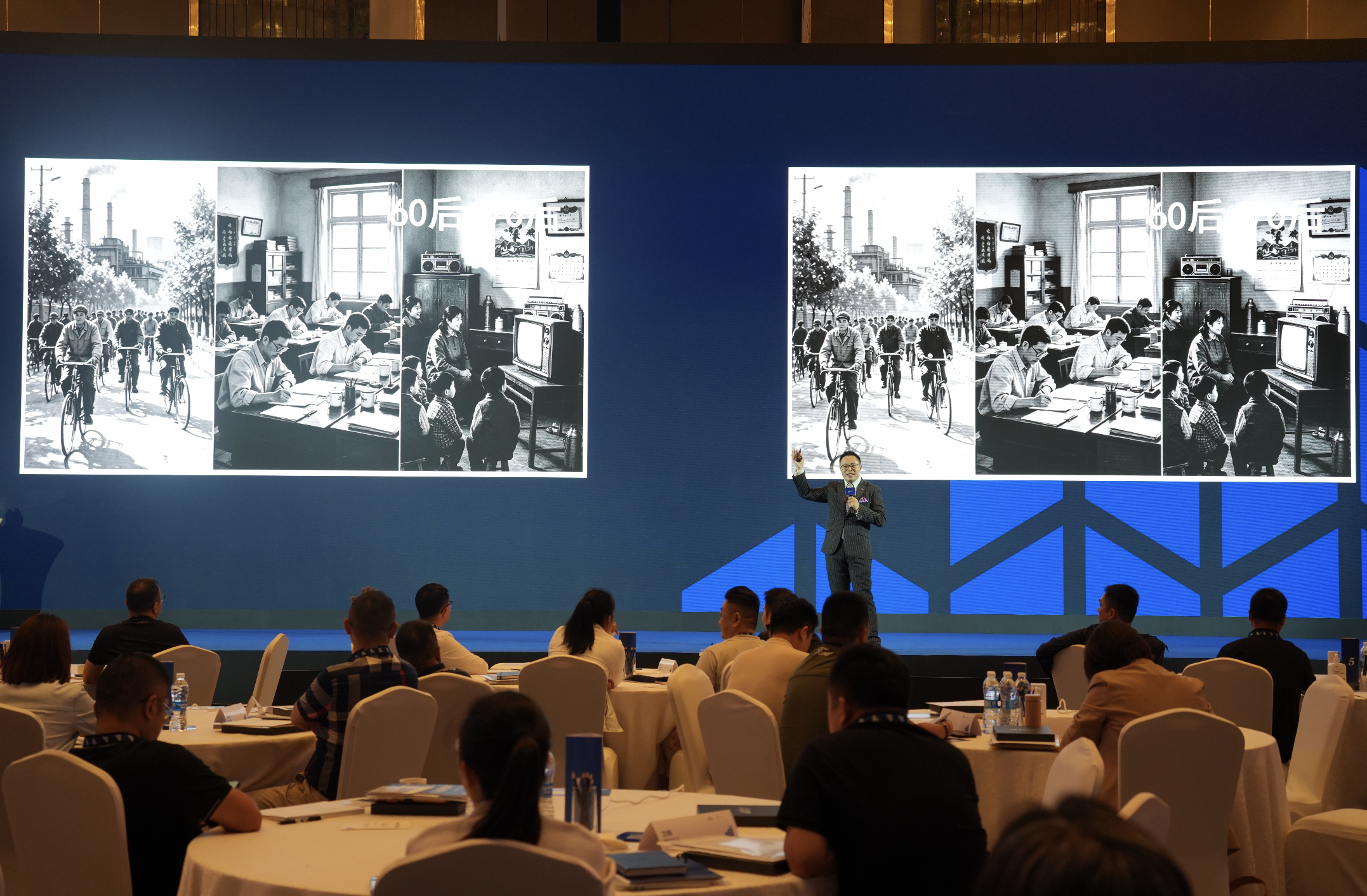
What we’ve seen on the ground says yes. Over the past two years our workshops have landed in eight countries—United States, Canada, Mexico, Peru, Chile, Colombia, Australia, and China. Each rollout followed the same recipe: translate the slides, localize the stories, coach a native facilitator. Each one ended with leaders admitting they share the same frustrations: misaligned expectations, challenged authorities, and a growing Gen Z puzzle.
Below are the lessons that surfaced again and again, followed by a few moves you can borrow for your own cross-cultural teams.
- Cultural nuance matters, but core friction is universal.
Nearly every leader across the 8 countries we’ve worked in so far has expressed challenges with their multigenerational workforce. While there are cultural nuances like hierarchy vs. flat org structures, respect signals (more on that below), and terminology differences, at the end of the day, here’s what we know: across borders, everyone wants clarity, respect, and room to contribute. - Gen Z tops the worry list everywhere.
We also learned that everyone’s minds are on Gen Z. Our Australian clients asked specifically for sessions on Gen Z engagement. So did managers in Bogotá and leaders in Toronto. If you’re wrestling with what today’s early-career talent wants, join the club—membership spans every hemisphere. - Labels shift; birth years don’t.
Terminology is something we looked very closely at in our global work. In Shanghai we dropped “Baby Boomer,” “Gen X,” and “Millennial” terminology. Local teams prefer decade cohorts—“born in the ’80s,” “born in the ’90s.” It’s also quite common in many countries to refer to Gen Z as “Gen Z-ed”. The same research is there, but it comes with culturally fluent packaging. - Respect signals differ by region.
Another major difference we learned? North American teams read eye contact as confidence; some Asian teams read it as a challenge. Latin American managers may interrupt to show enthusiasm, while their Canadian peers wait for a pause. The fastest way to lose credibility abroad is to assume your general default communication style and body language equals universal courtesy. - Baby Boomers aren’t everywhere.
Boomers remain a force in the U.S. and many Canadian industries, but they’re a much smaller slice in parts of Asia and South America. Plan knowledge-transfer strategies accordingly.
Participant feedback tells us the framework travels because it focuses on timeless systems—clear expectations, feedback loops, and role clarity—rather than lazy stereotypes. That’s what keeps the content relevant across industries, regions, and languages.
Advice for Leaders Managing Cross-Cultural Teams
We work with many organizations whose reach extends beyond the U.S. Here’s what we tell those clients when managing teams that are remote and culturally diverse.
- Know the communication landscape. Ask every location to spell out preferred channels (WhatsApp? Teams? WeChat?), response-time norms, and tone guidelines. Misfires often trace back to channel confusion, not attitude.
- Be explicit about performance feedback. Direct, in-the-moment coaching feels normal in the U.S.; indirect, end-of-week summaries feel respectful in parts of Asia. State which style you’ll use and why. Even better—offer a menu and let teams choose. This might be a bit of extra work on the front end for better results in the long run.
- Honor hierarchy, but create safe on-ramps. If rank matters locally, open meetings with a senior leader endorsing candid discussion. It protects respect while giving younger voices permission to speak.
- Clarify decision rights up front. Consensus culture in Lima drags if the New York office expects a quick call. Spell out who decides, who’s consulted, and when a call is final.
- Translate concepts, not just words. Run key slides past a native speaker who understands context, not just vocabulary. “Open-door policy” may need to become “always-available leadership” to start speaking the same language.
Apply even one of these moves and you’ll remove a surprising amount of friction—no matter how many time zones separate your team. If you try them, let us know what shifts; we’re always collecting stories for our ongoing research into how teams work across generations and cultures.
Did you like this week’s post? Then you might like these posts below.
Gen Z and AI: Where They Stand—And Why It Might Surprise You
Why Change Management is a Leader’s Most Essential Skill
Showing Up For Your Workforce—In All Life Stages
What’s Next?
If your team is navigating generational friction, stalled performance, or culture misalignment—it’s time to take action.
At GPS, we’re on a mission to help organizations unlock clarity, communication, and performance across every generation. And we don’t just talk about results—we deliver them in 90 days or less.
Connect with us today and start driving results that last.